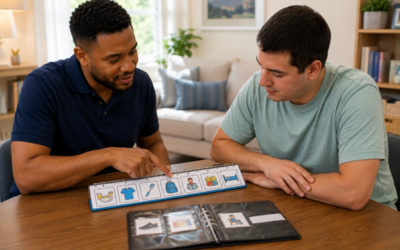
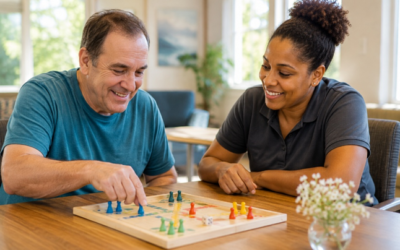
In contrast to the Sickness Model, the Developmental Model emphasizes growth and learning, focusing on residents’ abilities rather than limitations. This lesson empowers direct care workers to encourage skill-building, independence, and self-confidence among...
Blog
The Value of Model I: The Sickness Model
This lesson introduces the Sickness Model, which focuses on treating residents as patients with illnesses requiring care. While often necessary for certain medical conditions, the lesson discusses the potential limitations of this approach, such as fostering...
The Value of How Values, Attitudes & Beliefs Influence Services
This lesson addresses the critical role that personal values, attitudes, and beliefs play in caregiving. Direct care workers are encouraged to reflect on their biases and how these can impact service delivery. The content emphasizes the importance of adopting a...
The Value of the Philosophy and Role of Residential Services (Continued)
Building on the foundational principles, this lesson dives deeper into the application of residential service philosophy. It examines real-life scenarios, best practices, and the impact of direct care workers on residents' well-being. By exploring success stories and...
The Value of the Philosophy and Role of Residential Services
This foundational lesson explores the purpose and guiding principles of residential services within adult foster care. It highlights the importance of providing a safe, supportive environment where individuals can live with dignity and purpose. The content emphasizes...
Why Every Caregiver in Residential Care Needs to Take Health & Safety Training Seriously
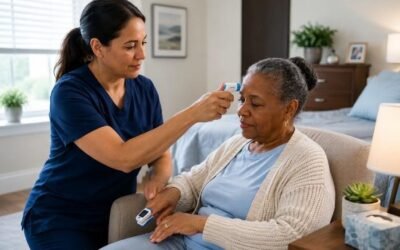
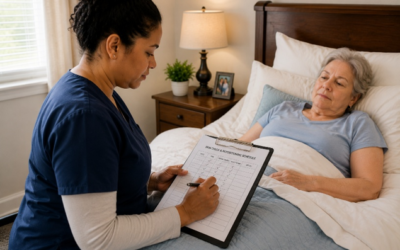
Hello, dear readers! Today, let's talk about a topic close to my heart: the importance of health and safety training, including CPR and First Aid, for caregivers in residential care settings. This isn't just another box to tick off in your professional training; it's...